

Trainings
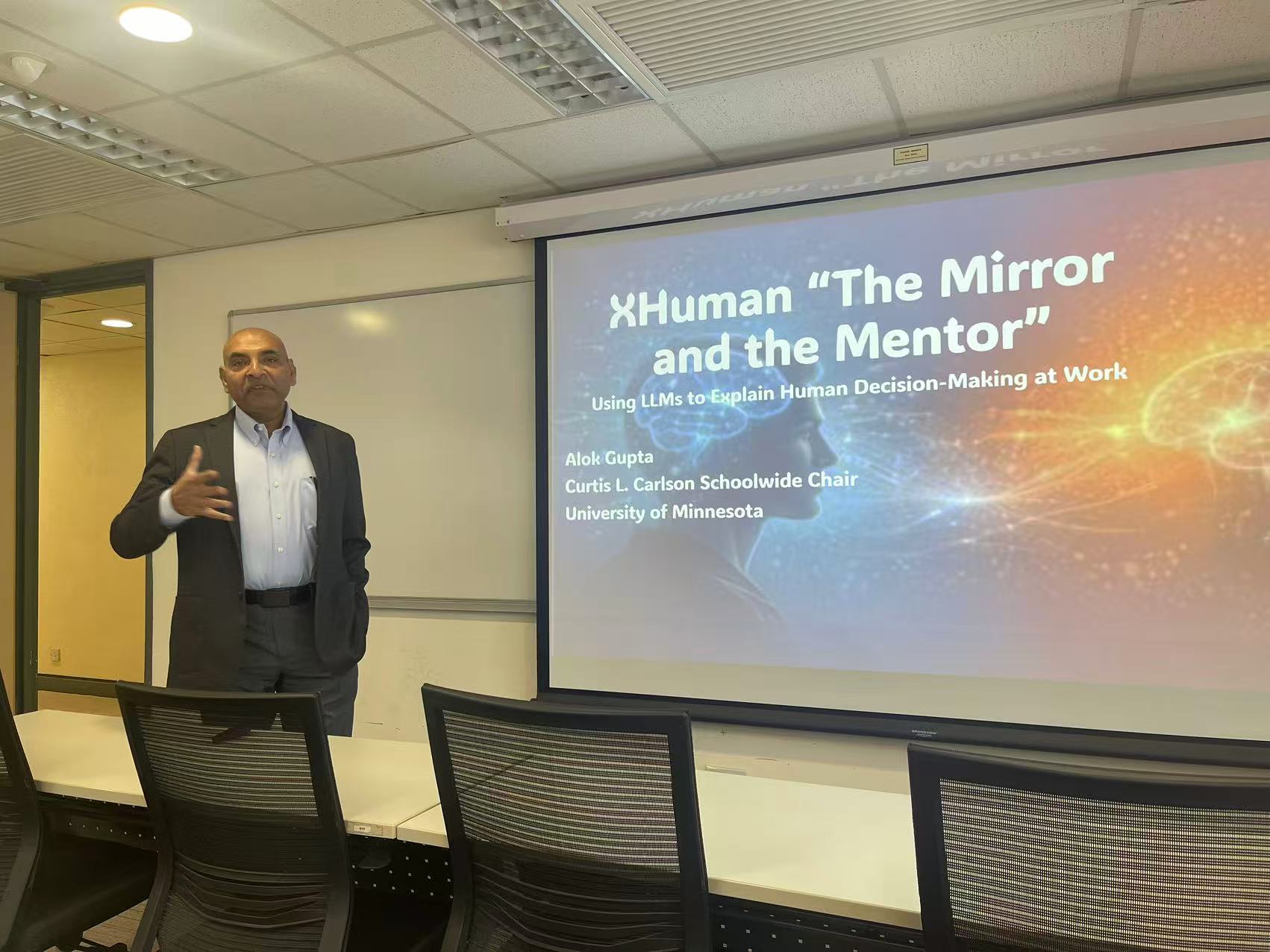
XHuman “The Mirror and the Mentor”: Using LLMs to Explain Human Decision-Making at Work
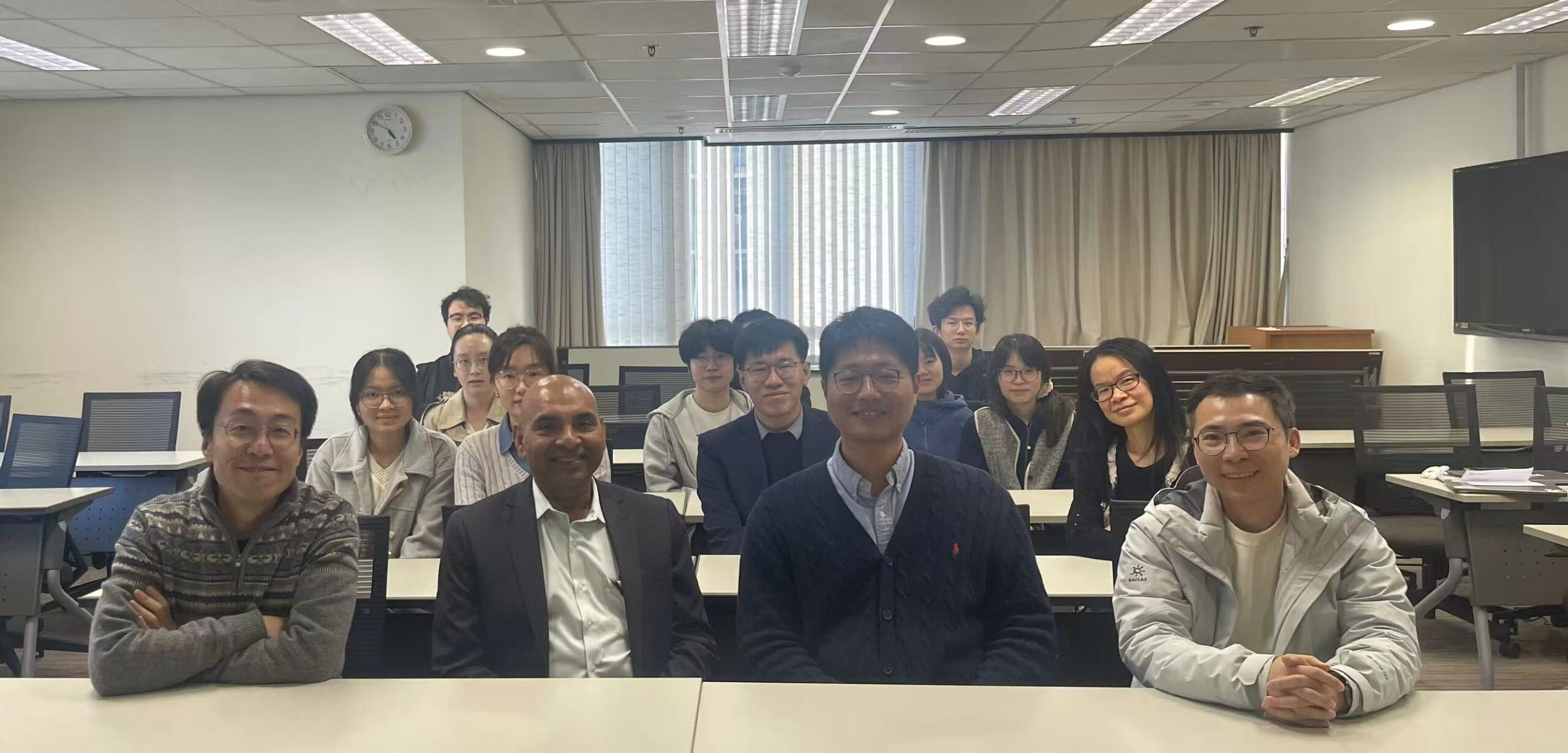
This is a joint seminar organized by HKU Business School’s IIM Area and Institute of Digital Economy & Innovation (IDEI).
SPEAKER
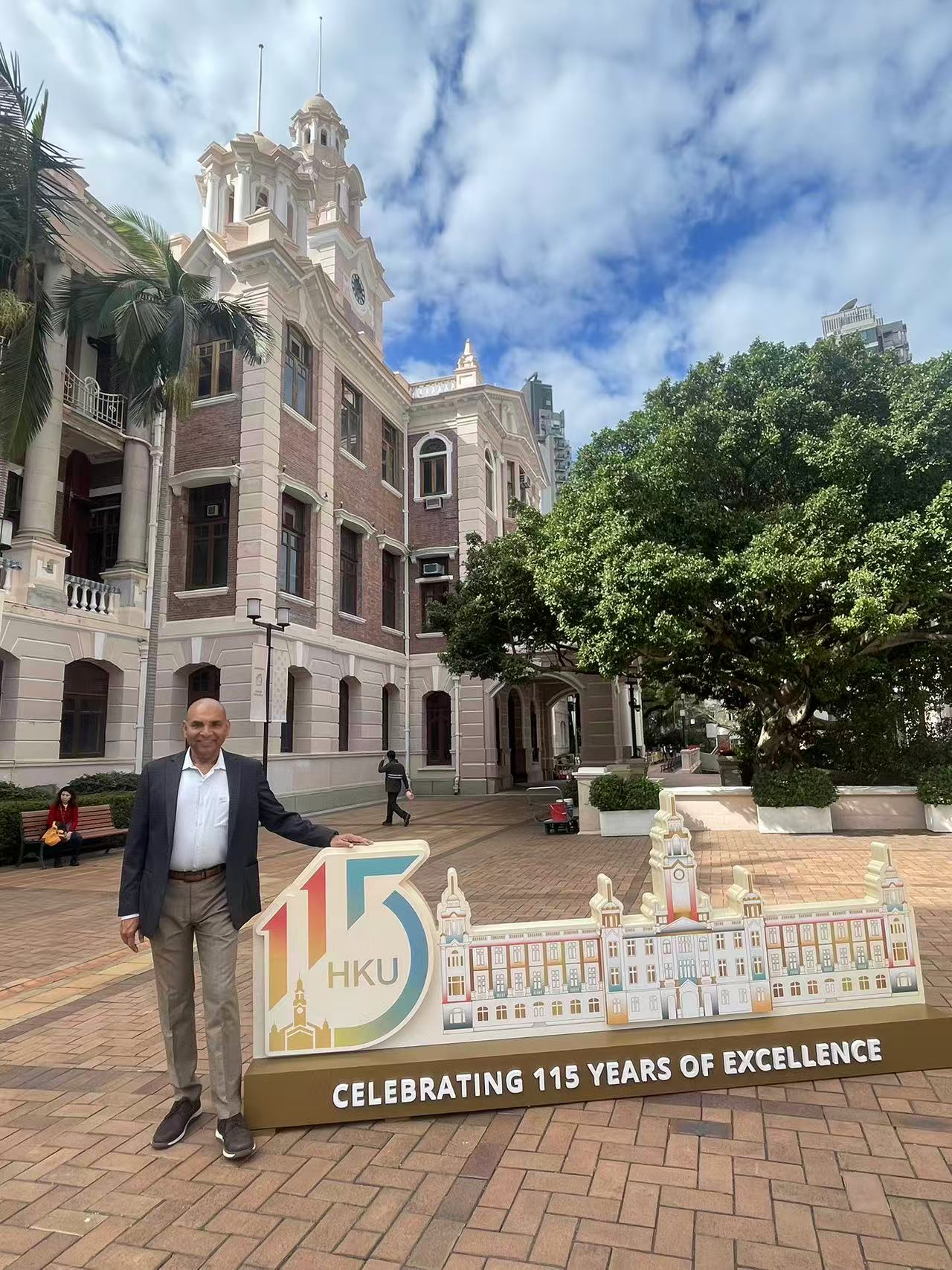
Professor Alok Gupta
Senior Associate Dean of Faculty, Research and Administration
Curtis L. Carlson Schoolwide Chair in Information Management
Carlson School of Management, University of Minnesota
ABSTRACT
As AI systems become increasingly embedded in decision-making, a significant amount of research attention has focused on explainable AI (XAI) — making decisions made by machines understandable to humans. But what if a more transformative opportunity lies in reversing this lens? In this talk, I argue that AI systems including large language models (LLMs), when designed and used appropriately, can serve as powerful tools to explain human decisions — better than humans can explain themselves.
Drawing from a series of published and unpublished studies, I will first talk about how human limitations — such as poor metaknowledge — impair effective collaboration with AI, especially in task delegation. These cognitive blind spots are not mere user-interface problems but fundamental constraints that limit human-AI synergy. Next, I will explore how AI systems can mitigate these challenges — not only by better advising humans but also by selectively choosing when to advise. Building on these ideas, I introduce new empirical findings showing that LLMs can externalize tacit human knowledge from behavior more effectively than humans can articulate it. This has profound implications for training, team design, and knowledge transfer. Rather than relying solely on human introspection, organizations can use LLMs to model the “how” behind expert decisions — facilitating more scalable, accurate, and interpretable workflows using machines as well as humans.
Taken together, these results invite a reimagination of the role of AI — not just as a tool to augment decisions, but as a cognitive mirror and mentor, helping us better understand and organize human judgment in the future of work.
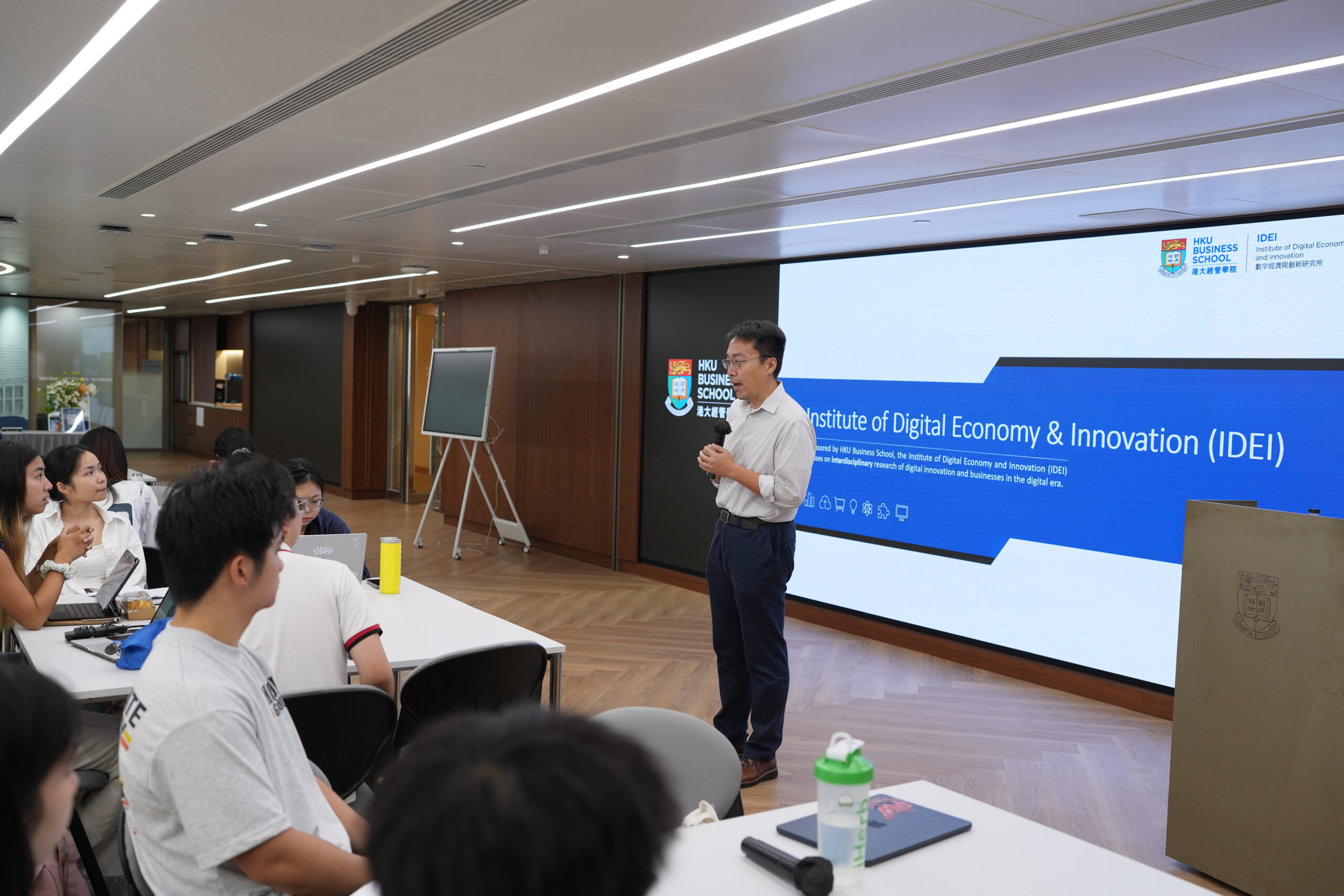
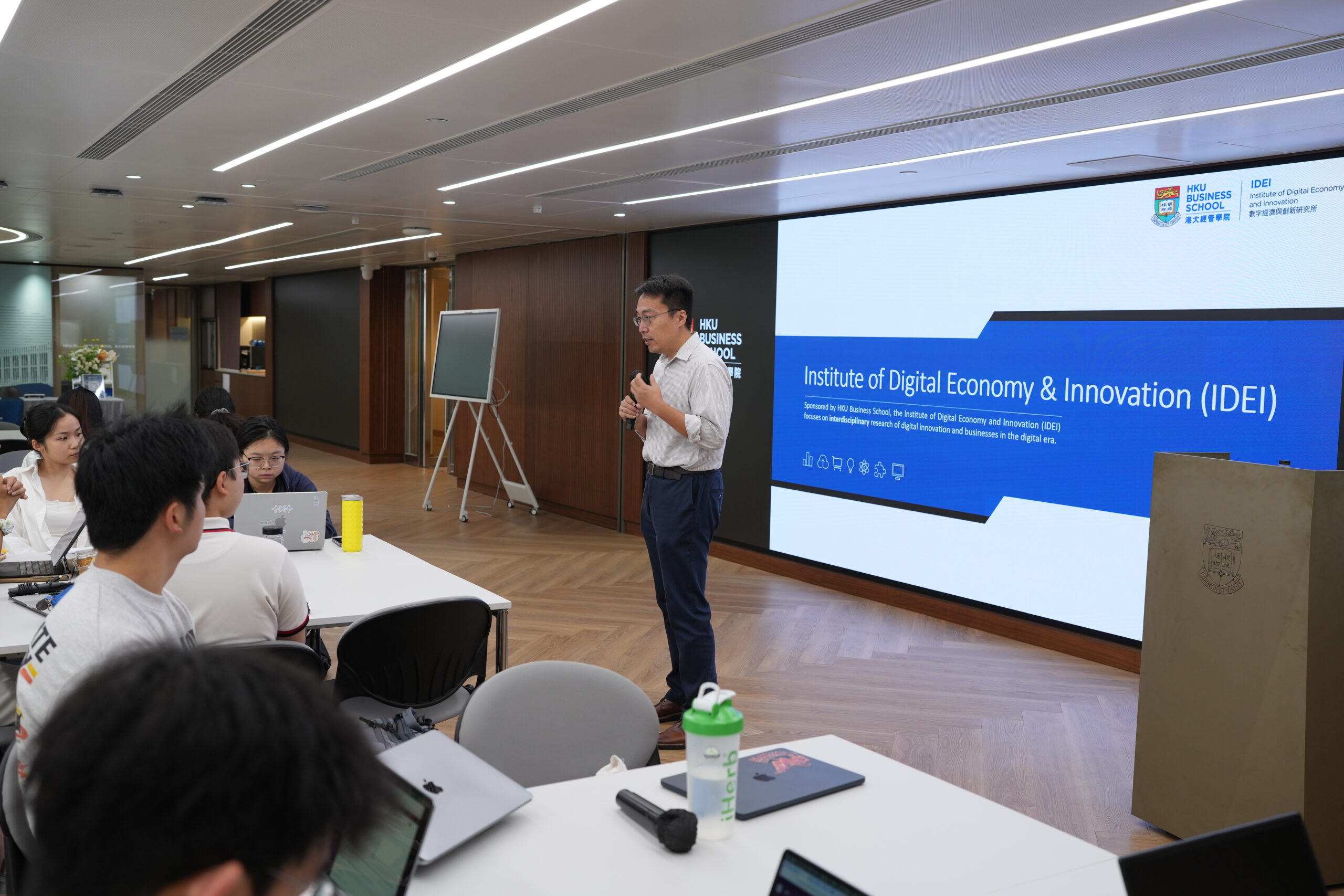
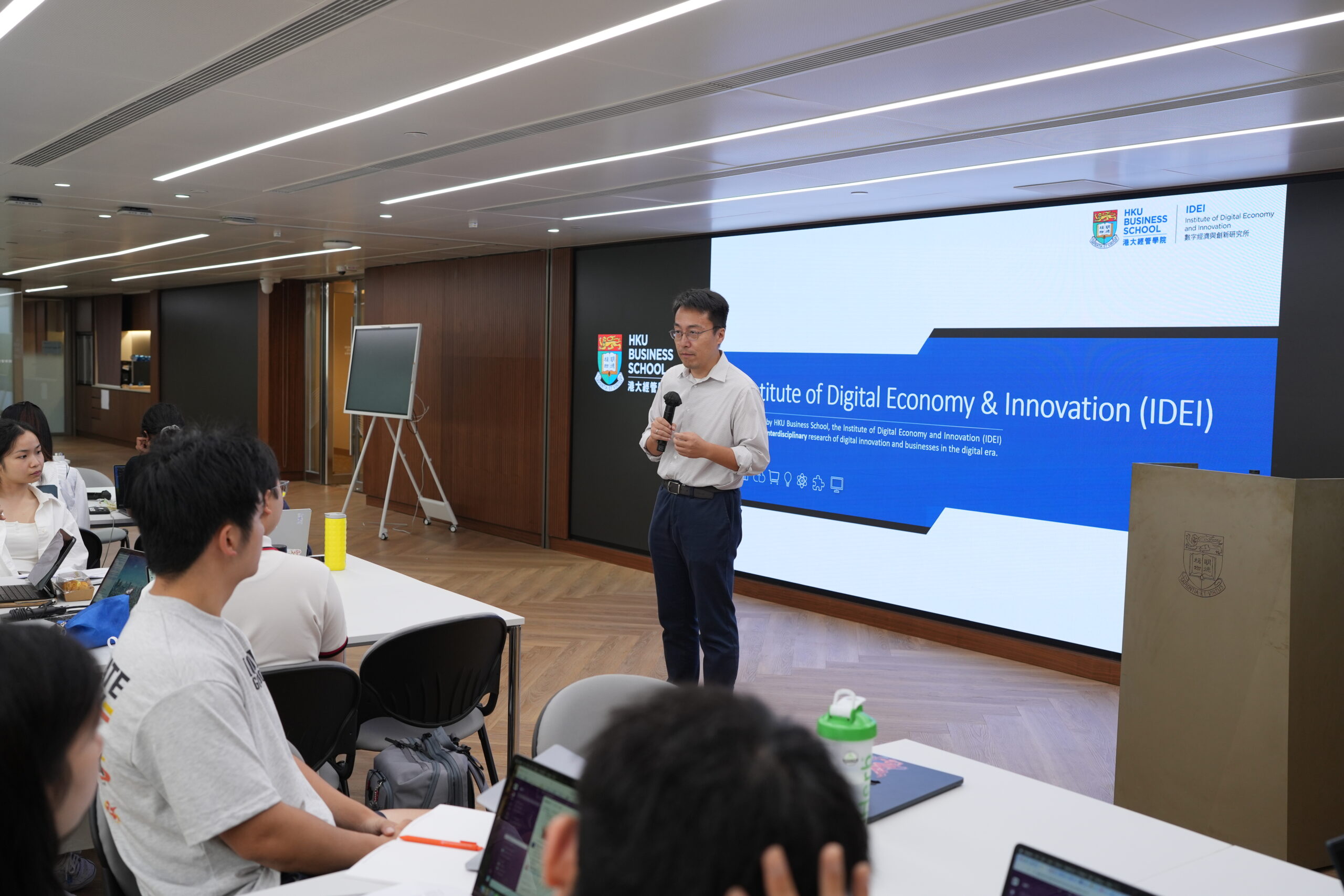
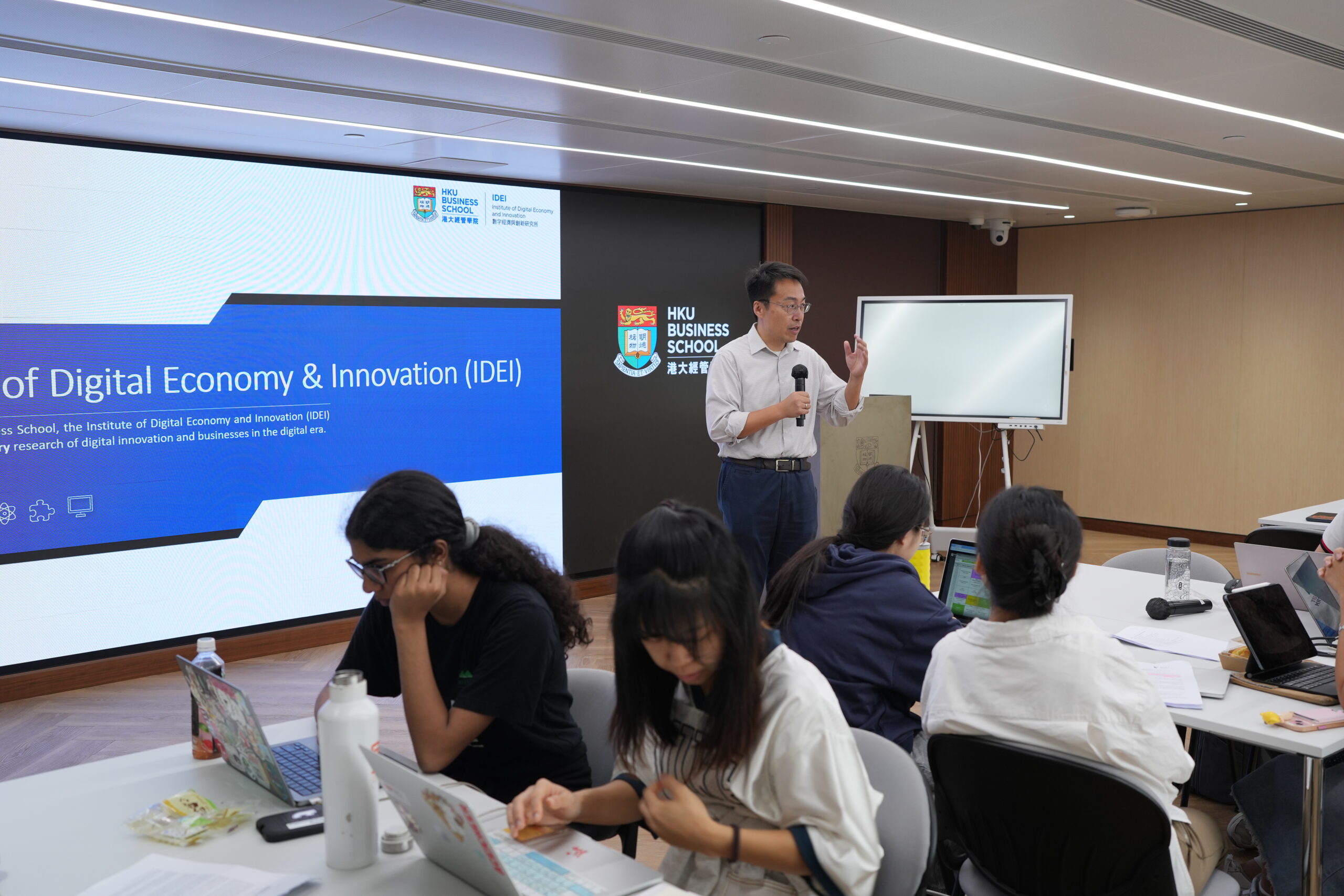
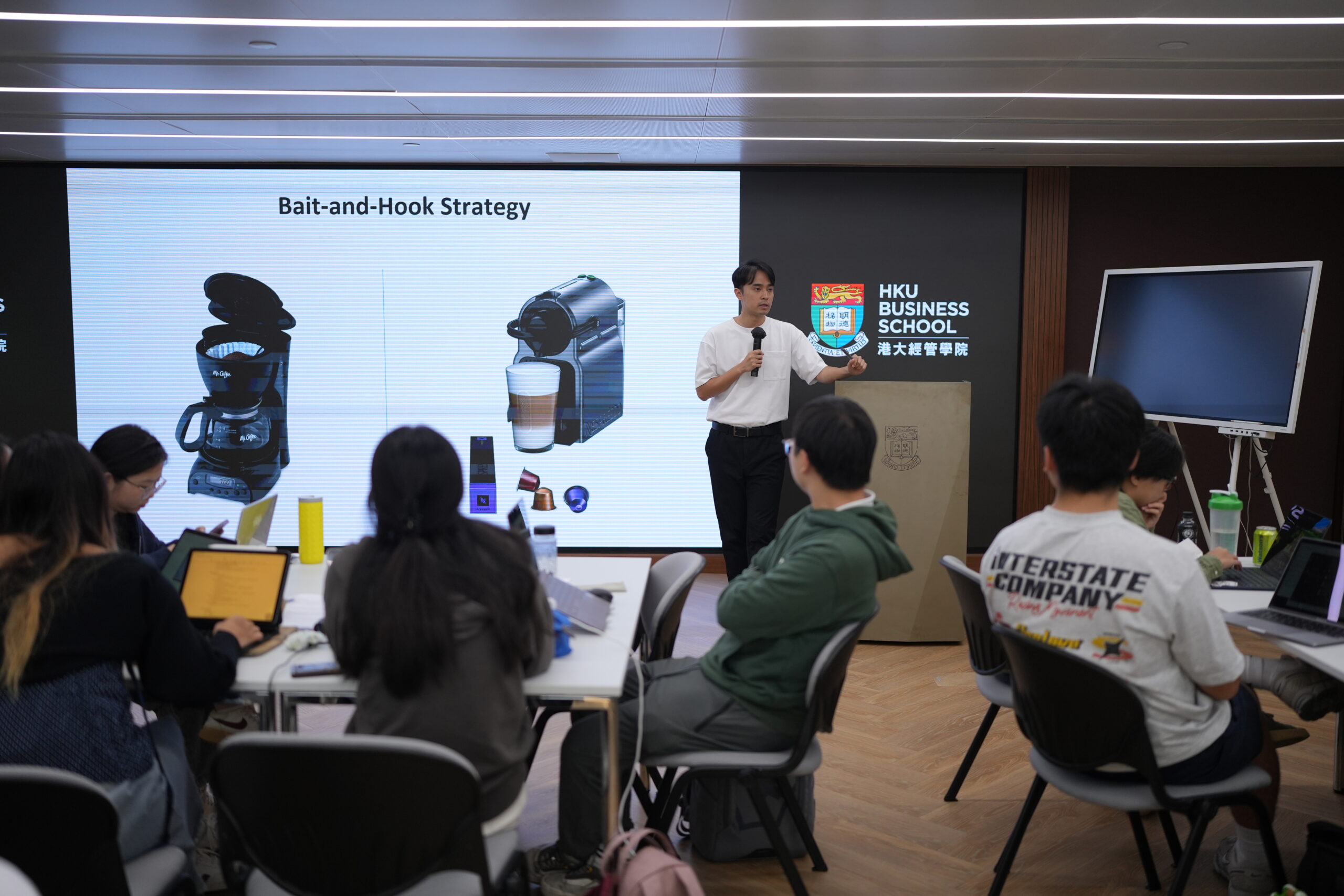
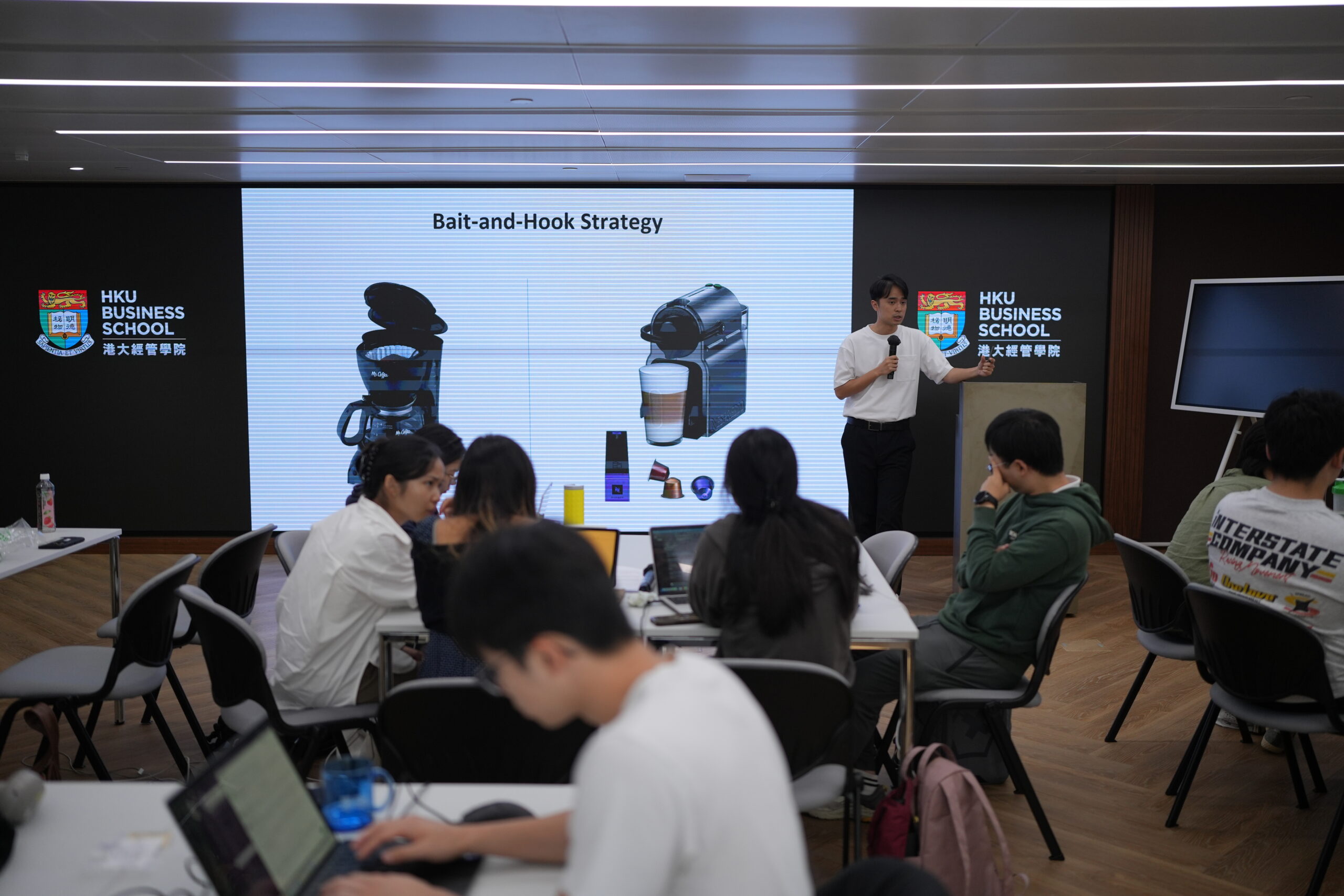
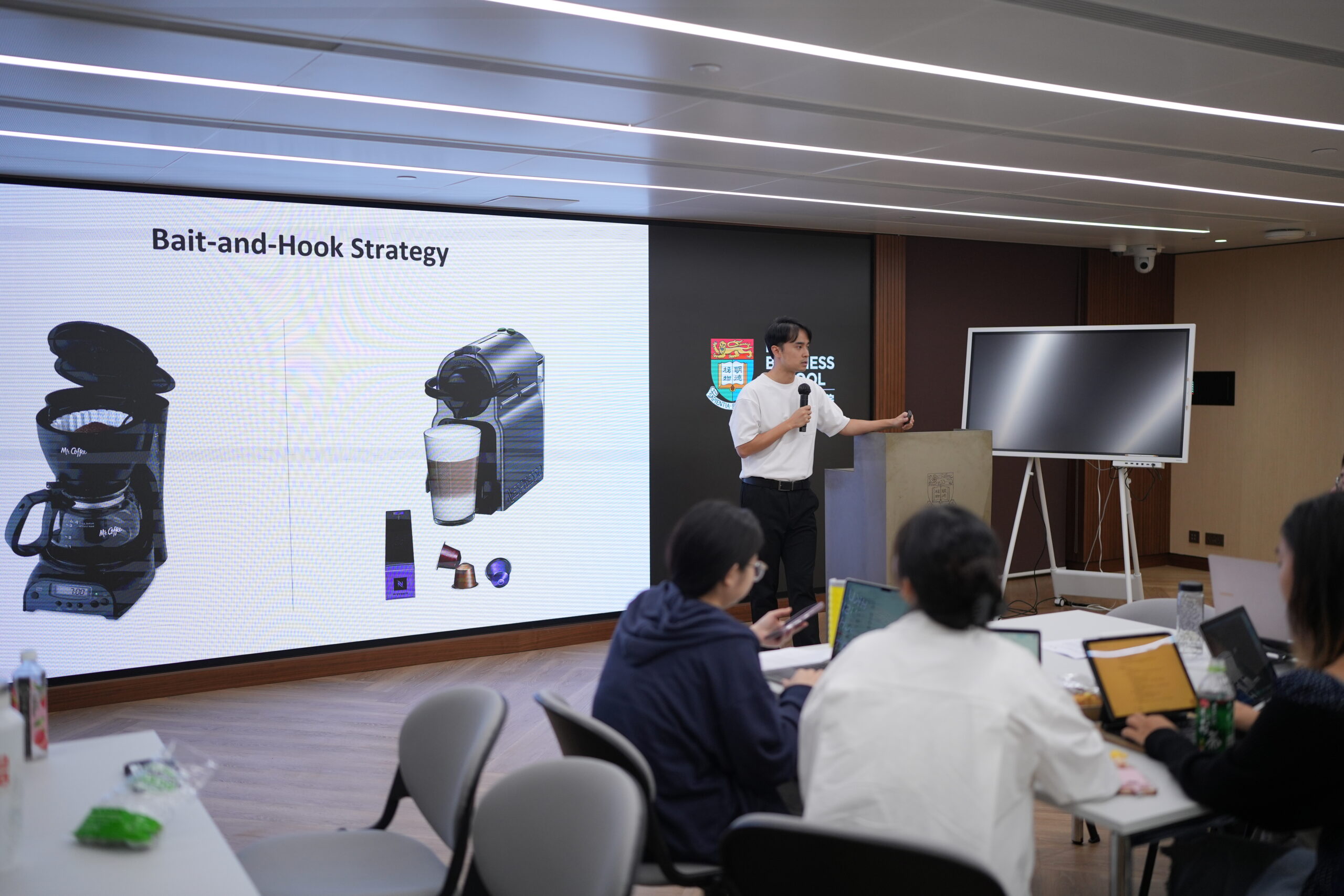
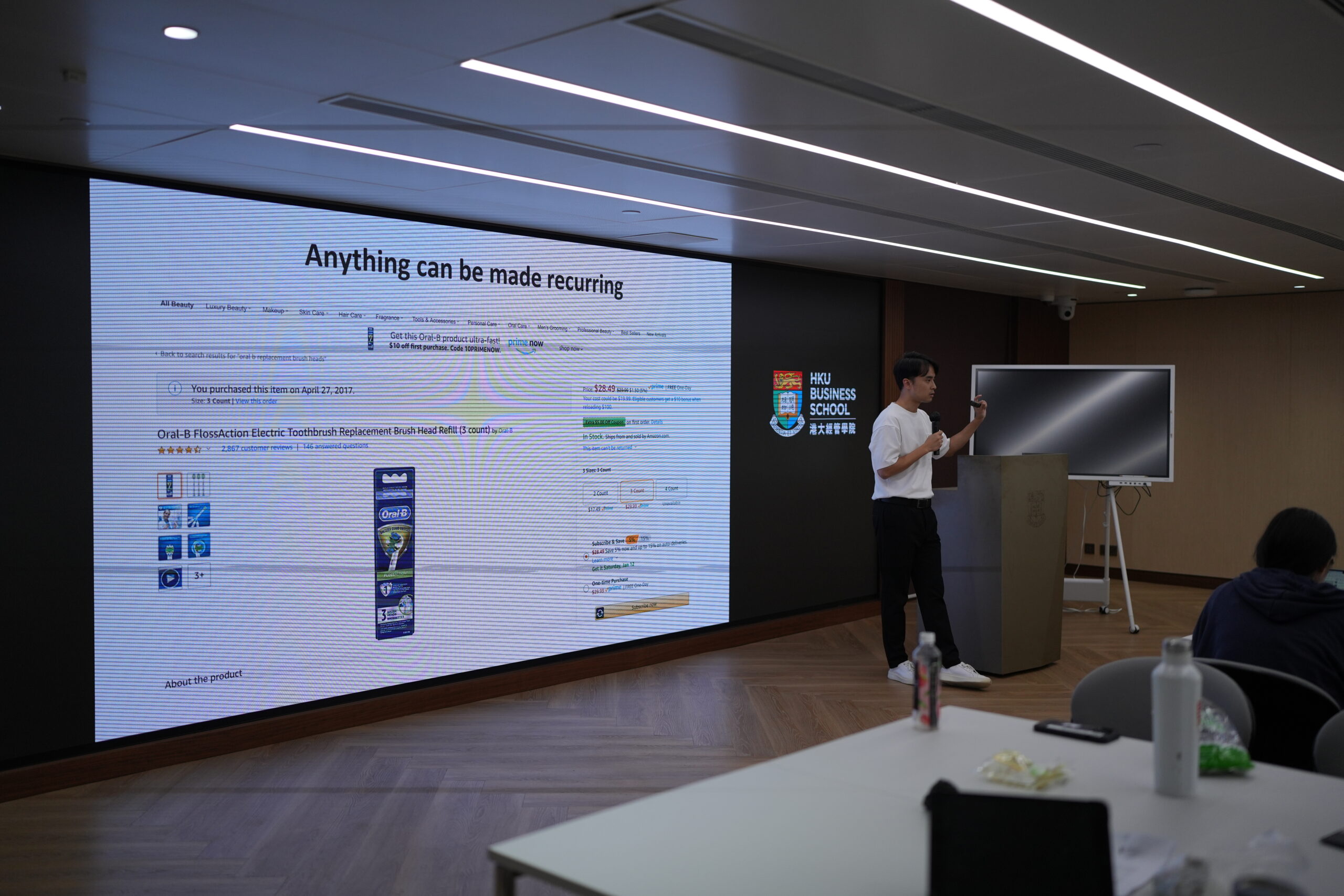
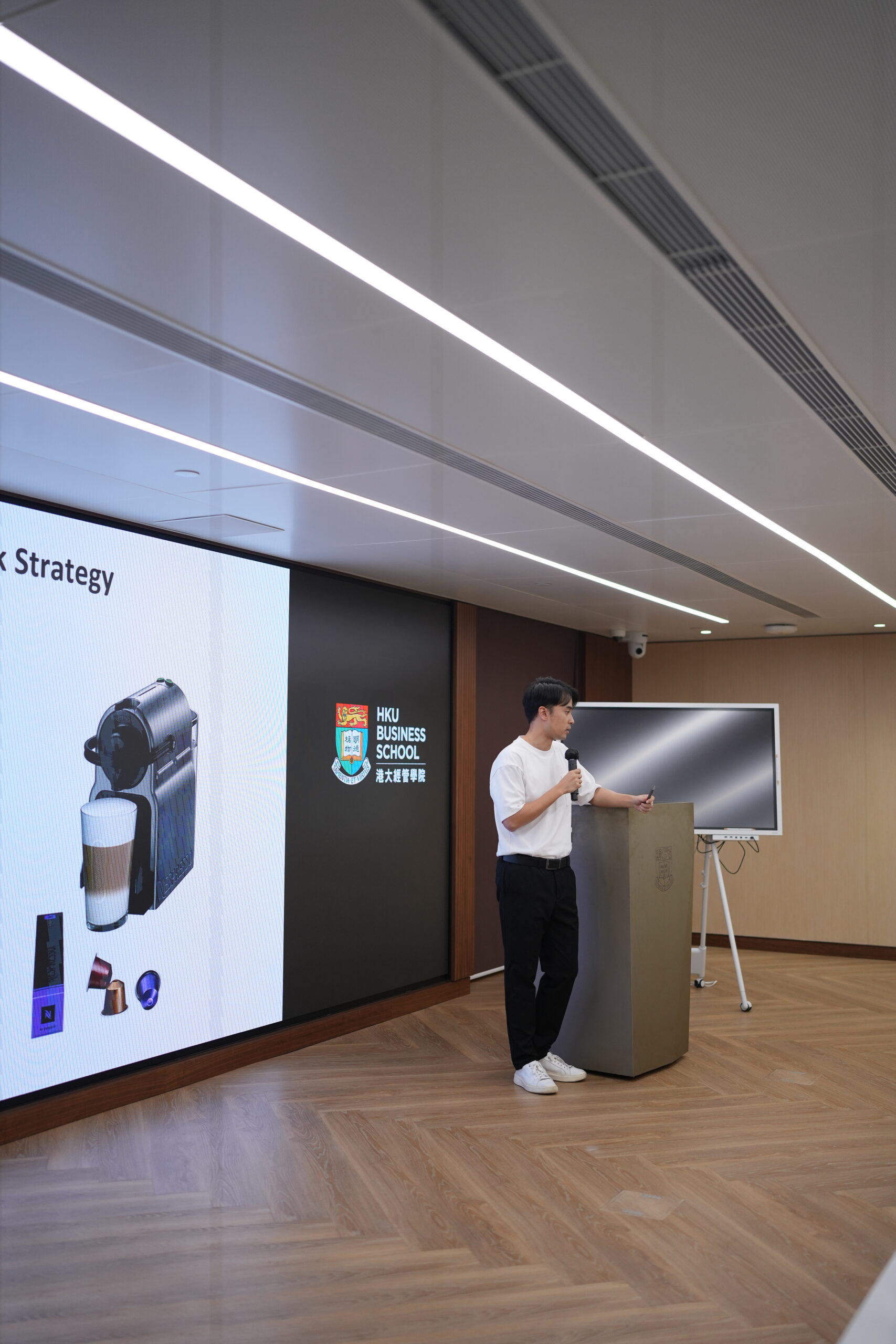
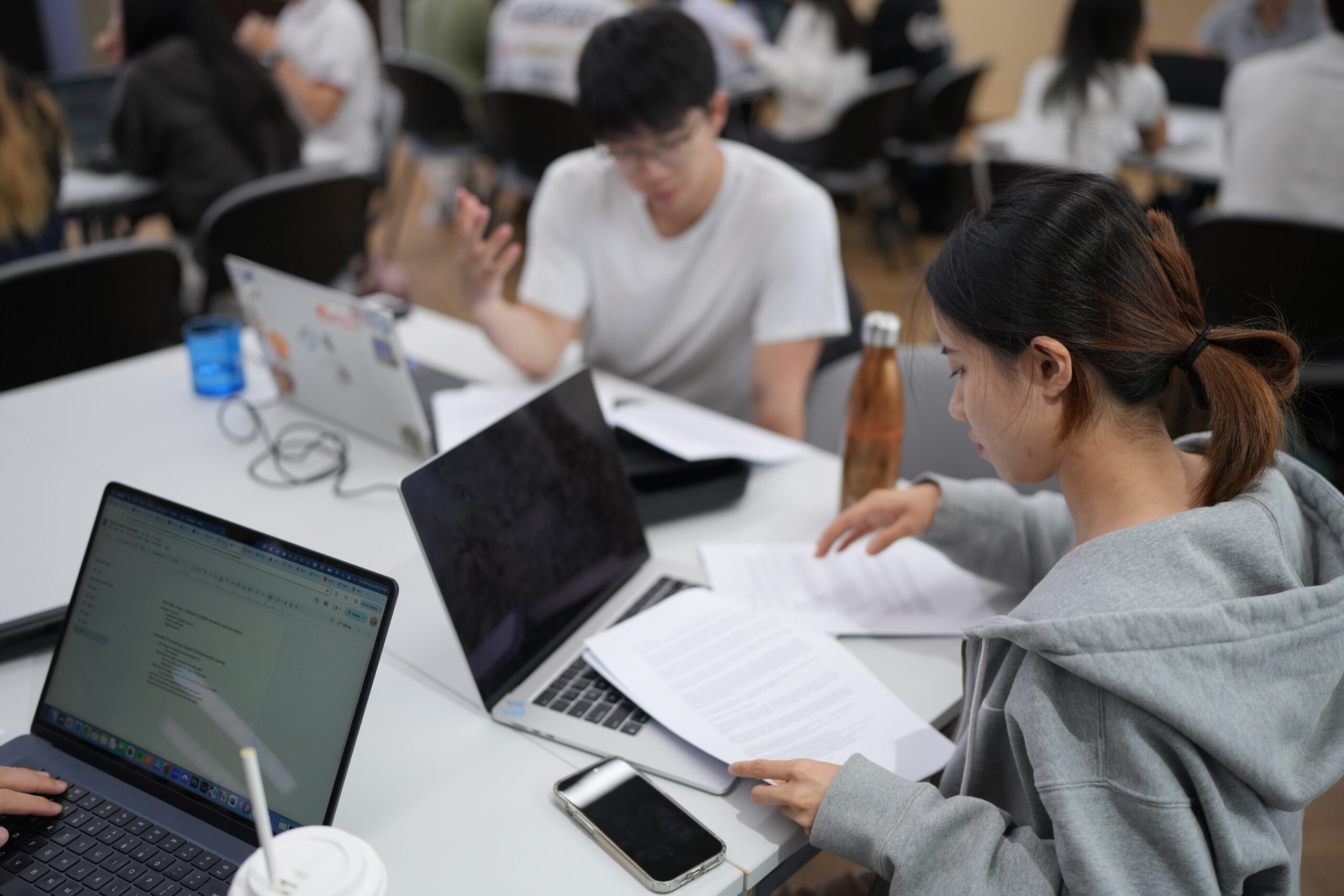
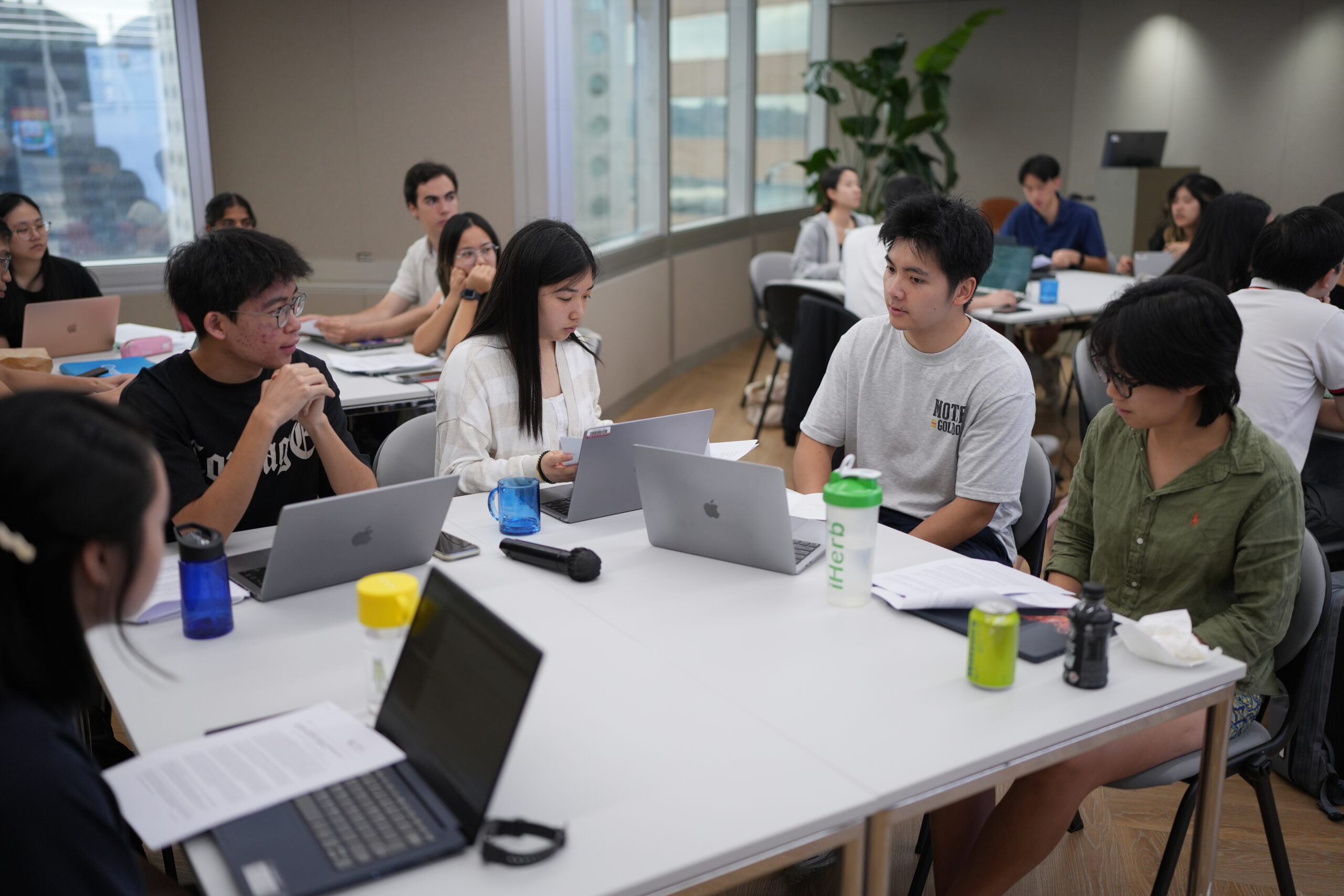
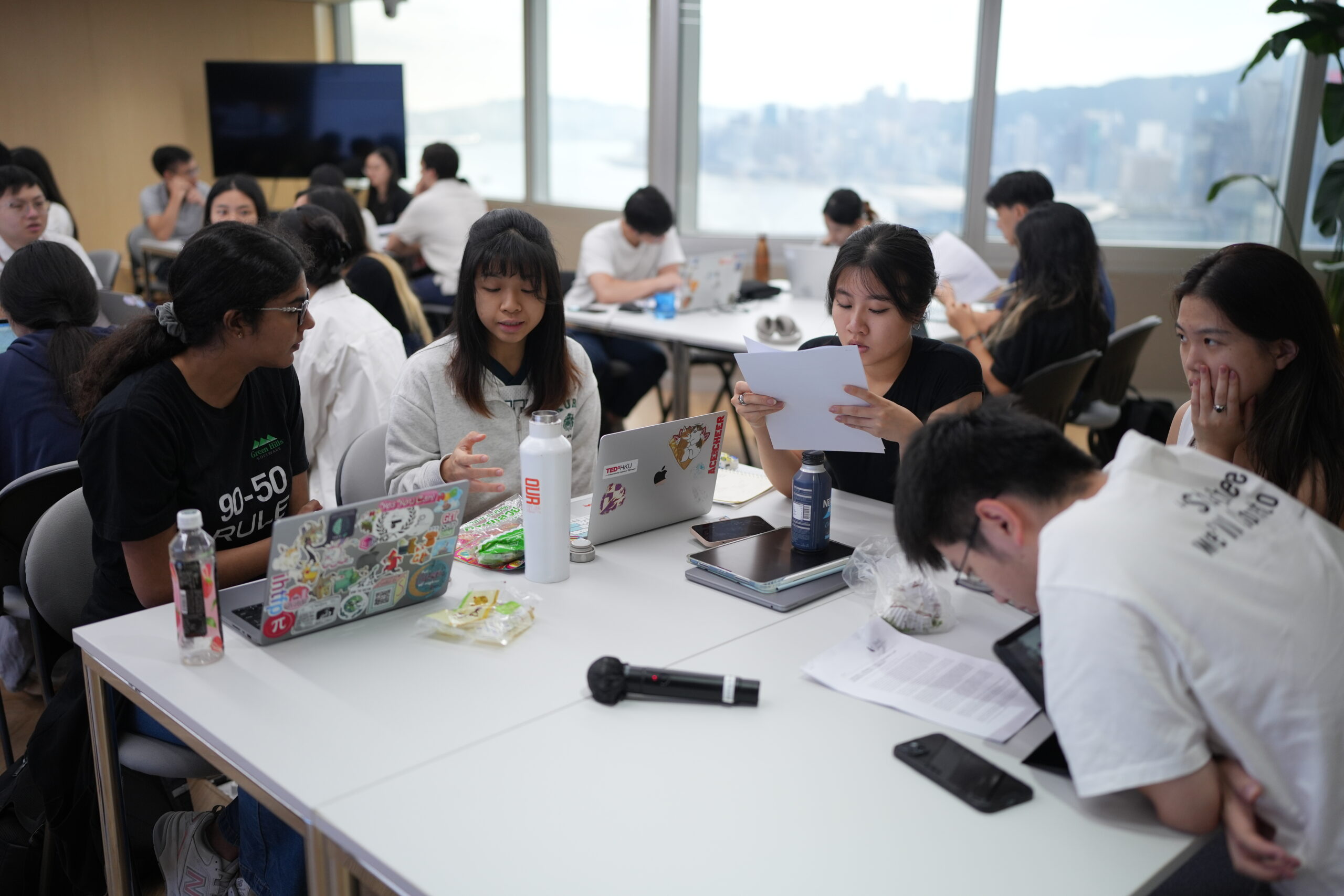
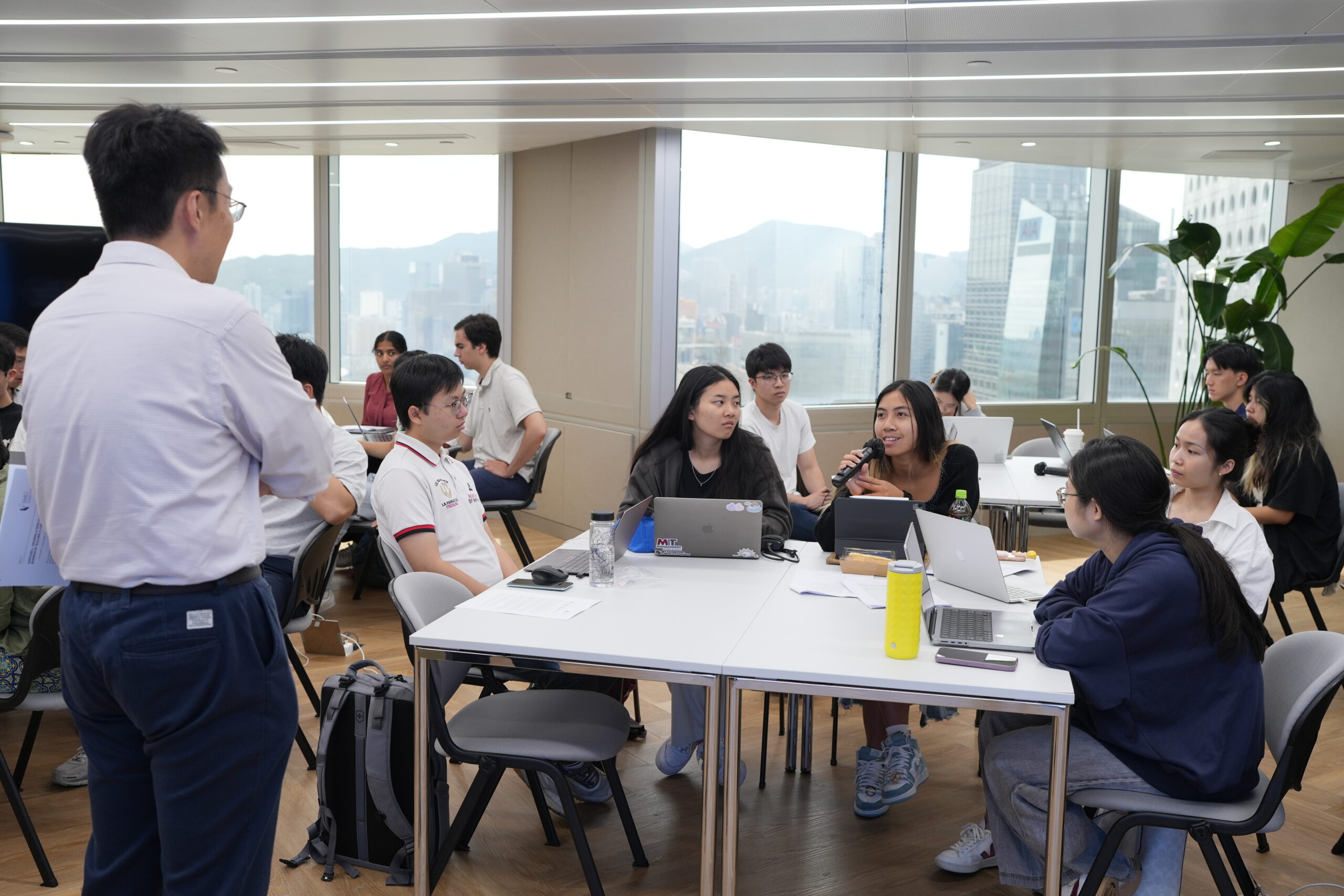
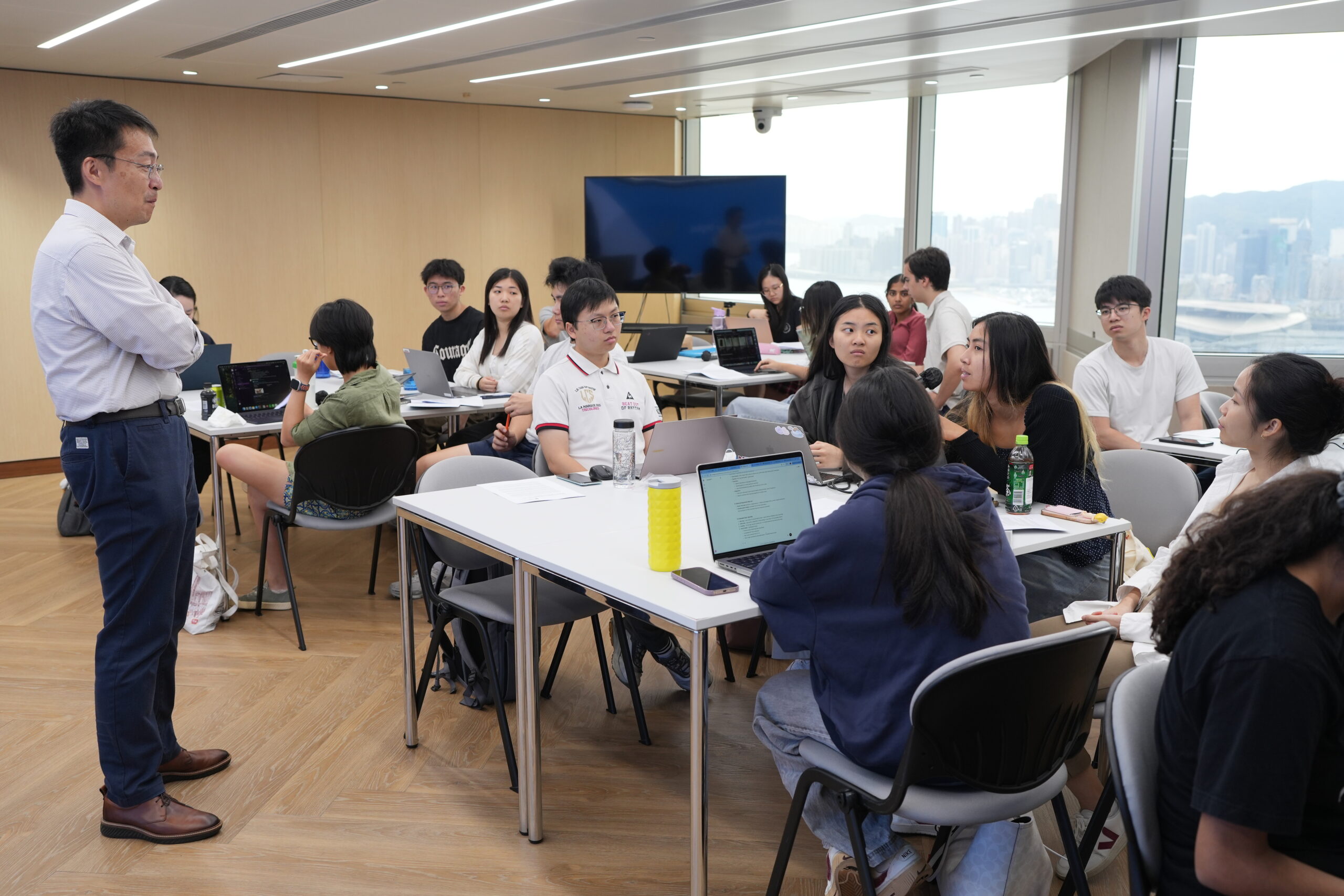
The IDEI × MIT Digital Health Bootcamp united students, healthcare professionals, and industry leaders to explore the transformative potential of digital health in advancing longevity. Through dynamic workshops, cross-cultural collaboration, and expert-led sessions, participants delved into how technologies like wearables, AI platforms, and telemedicine can empower individuals to proactively manage their health and age with dignity.
The bootcamp emphasized digital health’s pivotal role in reshaping healthcare systems and individual wellness. Discussions centered on preventative care, where wearable devices and AI-driven tools enable real-time tracking of vital signs, fostering early detection of health issues and timely interventions. Participants explored how AI algorithms can personalize health management by analyzing vast datasets to generate tailored recommendations for diet, exercise, and lifestyle adjustments, thereby optimizing long-term health outcomes.
A significant focus was placed on remote monitoring and telemedicine, which bridge gaps in healthcare access for remote populations and individuals with mobility challenges. The role of digital platforms in enhancing social connection and cognitive well-being was also highlighted, with examples such as educational apps and online communities that combat isolation and support mental health in aging populations. Additionally, the bootcamp underscored how digital solutions streamline healthcare workflows, reduce costs, and democratize access through mobile applications and smart home technologies, ensuring equitable care for all.
Collaboration took center stage as teams of Hong Kong-based and international students worked together to develop innovative prototypes. These projects addressed pressing issues in elderly care, including AI-powered wellness platforms and wearable devices designed for fall detection and emergency response.
The event also provided unparalleled networking opportunities, connecting attendees with faculty from MIT, HKU, and industry pioneers. These interactions offered insights into cutting-edge research, ethical considerations in AI, and emerging trends in digital health.


-
Institute of Digital Economy and InnovationThe University of Hong Kong,
Pokfulam Road, Hong Kong
Copyright© 2026 Institute of Digitial Economy and Innovation, The University of Hong Kong. All rights reserved.